Ask ten gardeners to name their favorite tomato and you'll likely get ten different answers – there are thousands of named tomato varieties, and new ones are bred every year. But almost every one of them can be sorted into a handful of simple categories once you know what to look for: how they were bred, how they grow, and what color they ripen to. This guide walks through all three, with links to our in-depth guides on specific varieties worth growing.
Heirloom vs. Hybrid Tomatoes
The first and biggest split in the tomato world is between heirloom and hybrid varieties, and it comes down to how the seeds were bred.
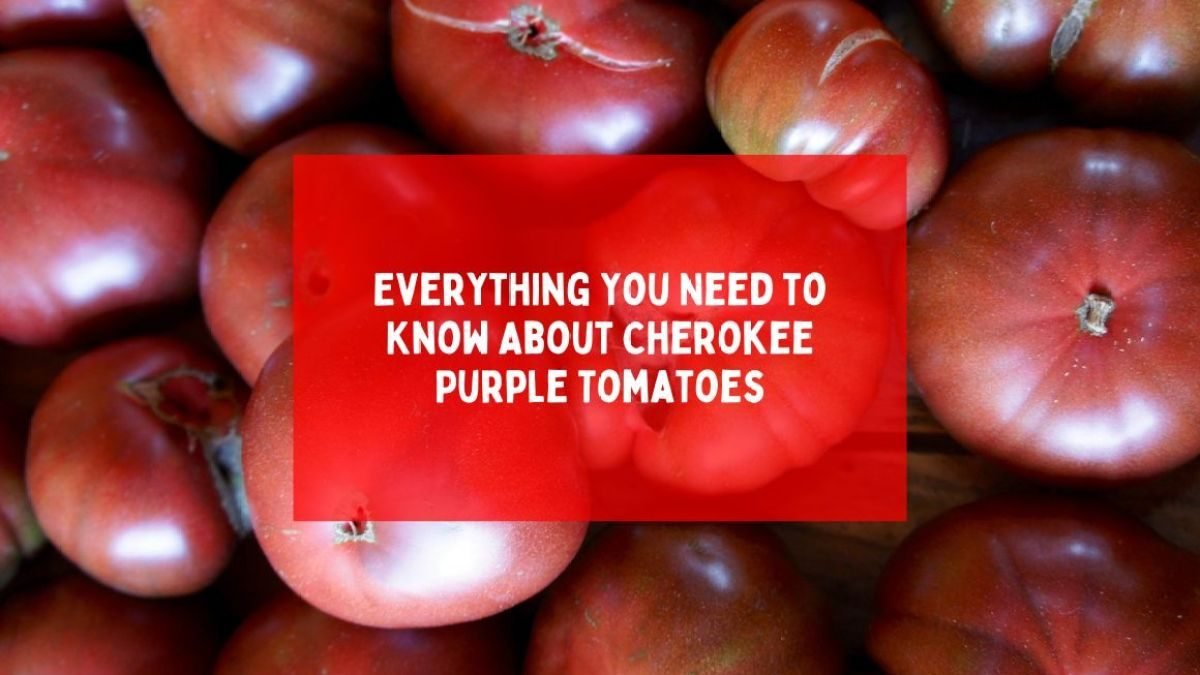
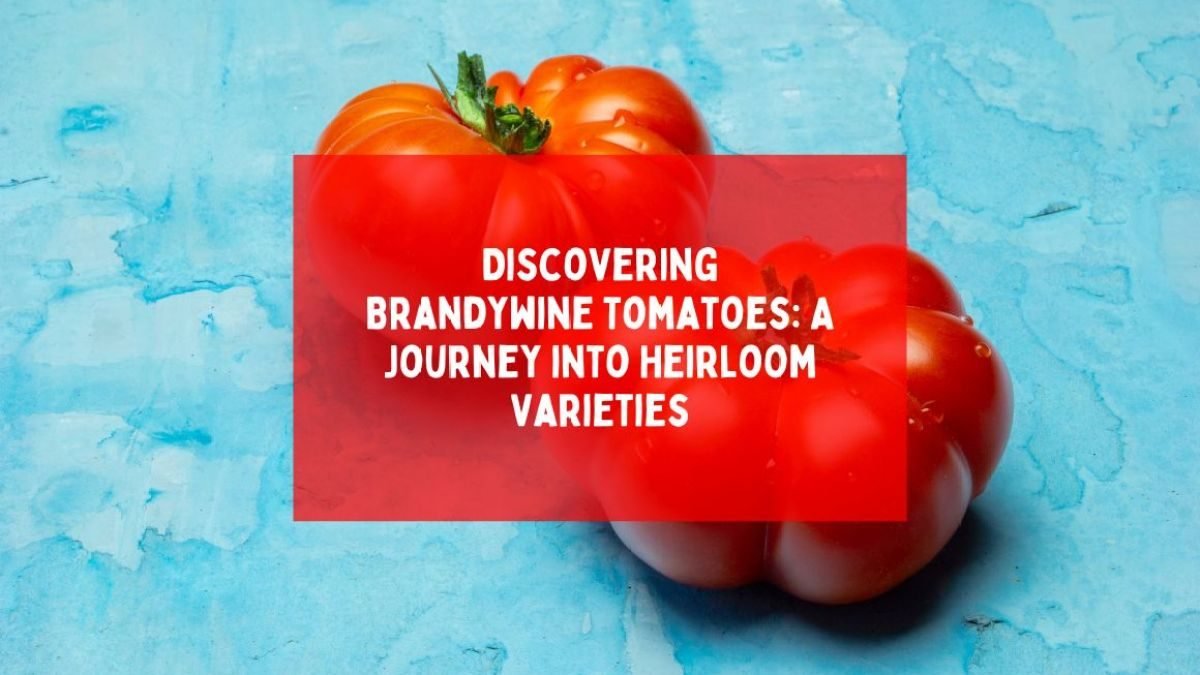
Heirloom tomatoes are open-pollinated varieties that have been grown and seed-saved for generations – often 50 years or more – without crossbreeding. Because they're open-pollinated, seeds saved from an heirloom tomato will grow true to the parent plant next season. Heirlooms are prized for flavor and diversity, but many are less disease-resistant and less uniform in size than modern hybrids. Cherokee Purple, Brandywine, and Black Krim are three of the best-known heirlooms.
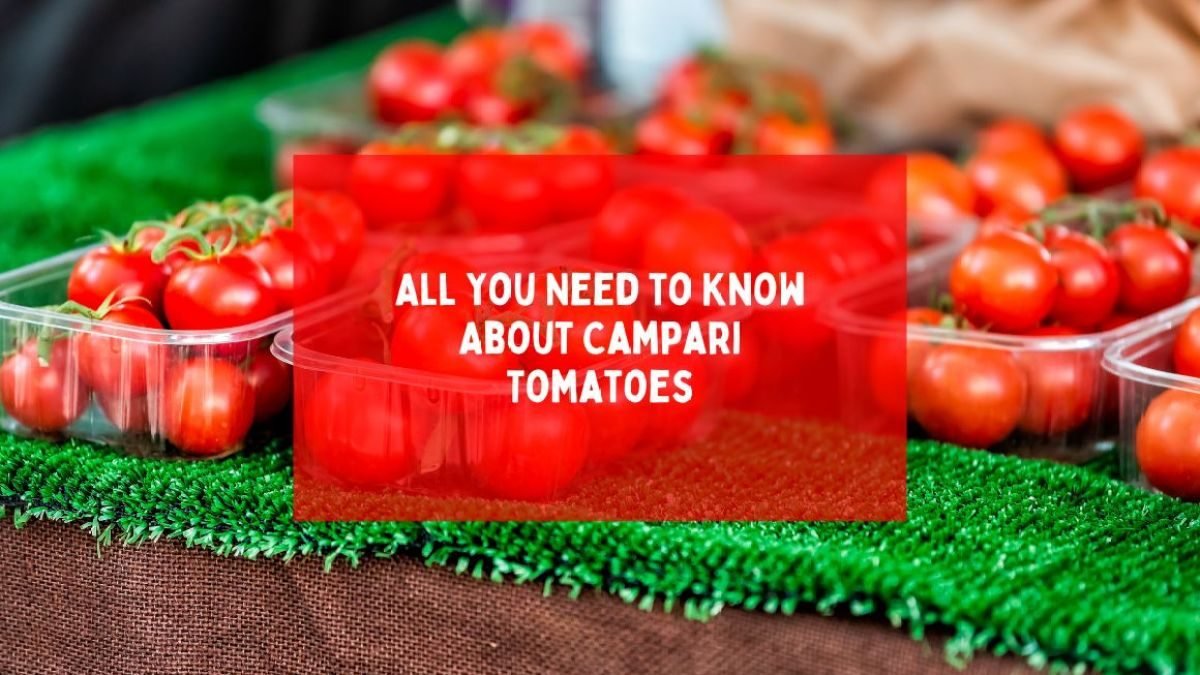
Hybrid tomatoes are the deliberate cross of two different parent varieties, bred to combine specific traits – disease resistance, uniform ripening, higher yield, or better shipping durability. Hybrids (often labeled F1 on seed packets) tend to be more predictable and productive, but seeds saved from them won't grow true to type the following year. Campari is a well-known hybrid variety.
Neither type is objectively "better" – heirlooms generally win on flavor variety and history, hybrids generally win on reliability and disease resistance. Many home gardeners grow a mix of both.
Determinate vs. Indeterminate Tomatoes
The second major classification describes how the plant itself grows, independent of whether it's heirloom or hybrid.
Determinate tomatoes grow as compact, bushy plants that stop growing once fruit sets on the top bud. They produce most of their harvest within a few weeks, which makes them well-suited to containers, small gardens, and gardeners who want a big batch of tomatoes all at once for canning or sauce-making. They typically need little to no staking.
Indeterminate tomatoes keep growing and vining continuously until frost kills the plant, producing a steady trickle of new fruit all season rather than one big flush. They grow tall – often 6 feet or more – and need sturdy staking or caging. Most heirloom varieties, including Cherokee Purple and Brandywine, are indeterminate.
There's also a middle ground, semi-determinate, which grows a bit taller than a true determinate but still has a defined endpoint. If a seed packet doesn't specify, check the variety name against a reference – it's one of the most important things to know before you plant, since it determines how much space and support the plant will need.
Tomato Varieties by Color
Color is the most visible way tomatoes are grouped, and it's not just cosmetic – different pigments come with genuinely different flavor profiles.
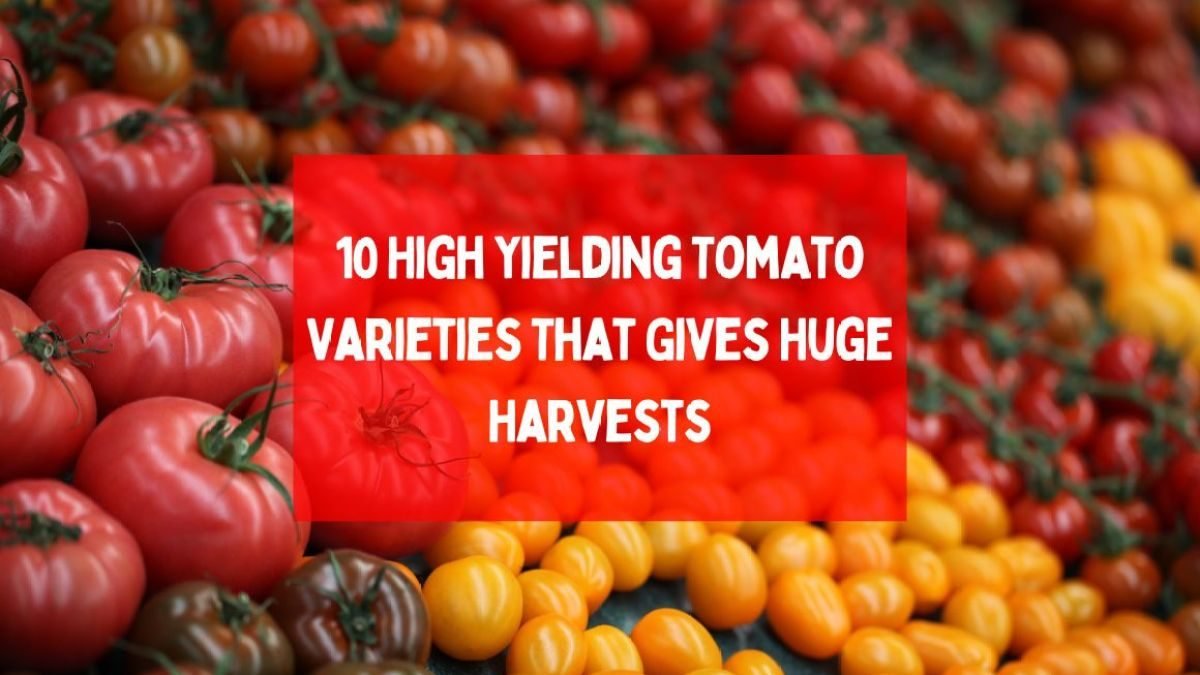
- Red tomatoes are the most common and familiar, getting their color primarily from lycopene. Most classic slicing, beefsteak, and cherry varieties fall here.
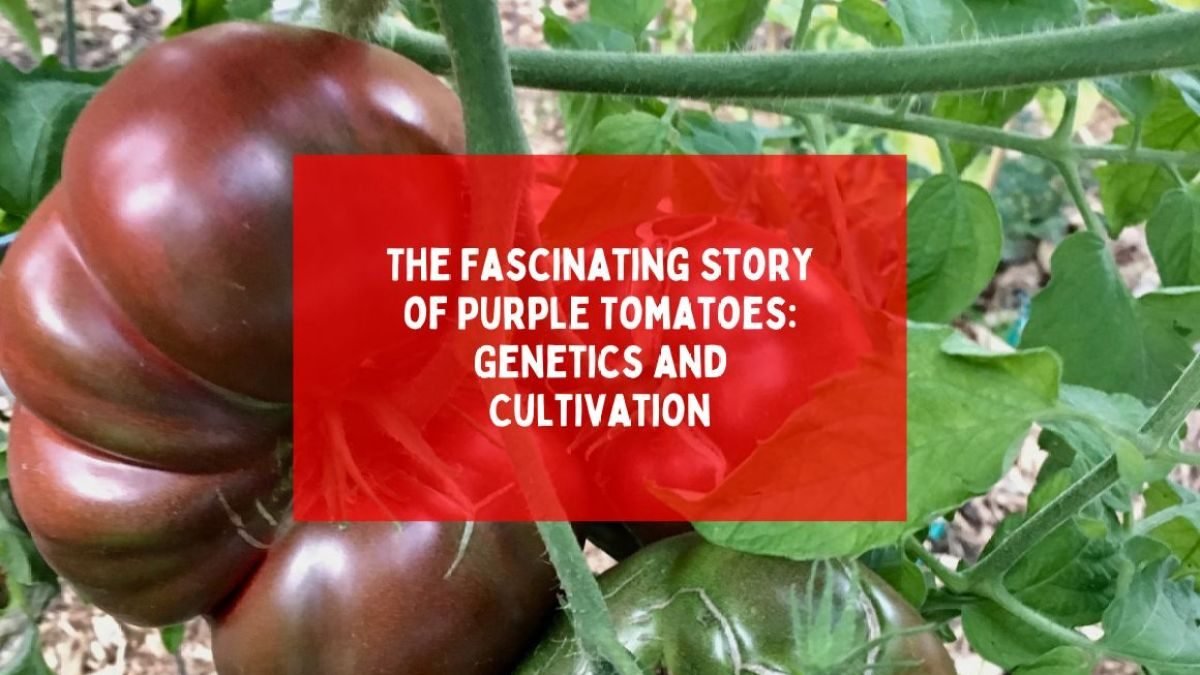
- Purple and black tomatoes, like Cherokee Purple and Black Krim, get their dusky color from anthocyanins – the same pigment family found in blueberries. They're often described as having a deeper, smokier, more "savory" flavor than red varieties. See our full guide to purple tomatoes.
- Orange and yellow tomatoes have less lycopene and more beta-carotene, which generally makes them taste milder and less acidic than red varieties – a good option for anyone sensitive to tomato acidity. Details in orange and yellow tomato varieties.
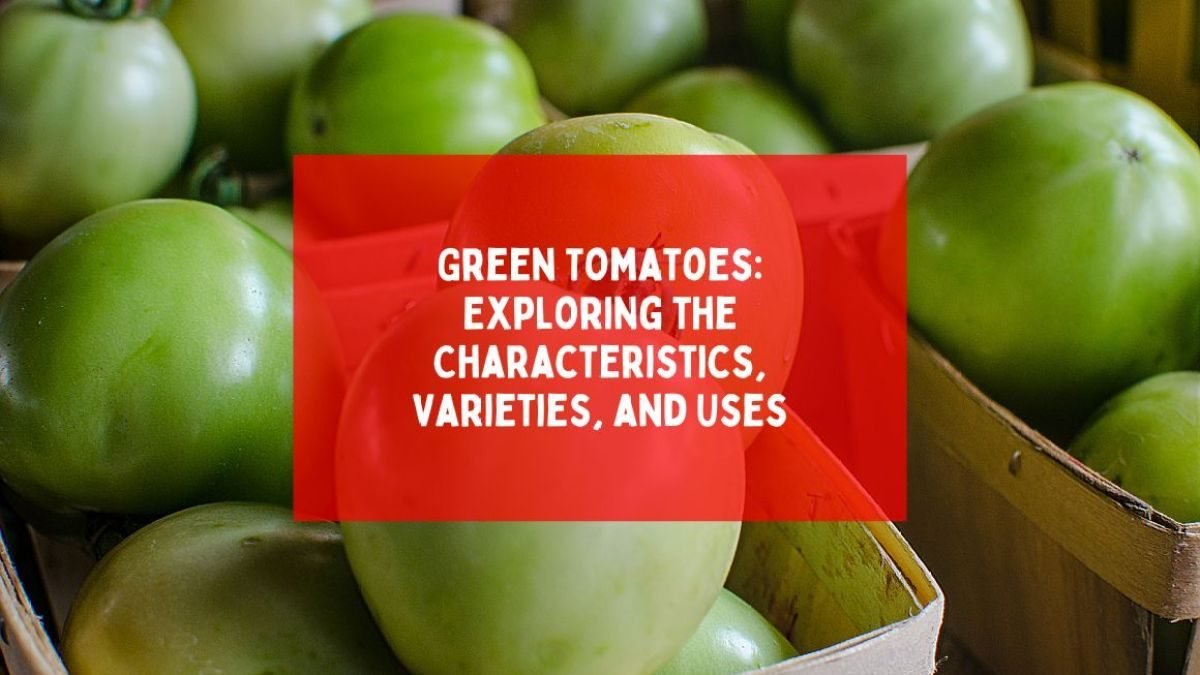
- Green tomatoes are sometimes a distinct variety that stays green when ripe (like Green Zebra), and sometimes just unripe red tomatoes used deliberately in cooking, such as fried green tomatoes. See green tomatoes for both uses.
- Striped and bi-color tomatoes, like Green Zebra or Pineapple, combine two pigments in streaks or gradients and tend to have a more complex, balanced sweet-tart flavor.
Varieties for Special Growing Conditions
Beyond breeding and color, some tomato varieties are specifically worth seeking out because they solve a particular growing challenge:
- Short growing seasons: fast-maturing varieties bred to ripen before an early frost. See 26 early growing tomato varieties for short seasons.
- Low light or shaded gardens: a smaller group of varieties bred to tolerate partial shade better than most tomatoes, which typically want 6-8 hours of direct sun. See 14 shade-tolerant tomato varieties.
- Maximum harvest per plant: varieties selected specifically for heavy, reliable fruit production. See 10 high-yielding tomato varieties.
- Small spaces and containers: compact determinate and dwarf varieties bred for pots, balconies, and patios – and the container itself matters too. See how big a pot you actually need.
Choosing the Right Variety for You
With thousands of named varieties, the fastest way to narrow the choice is to answer three questions in order: How much space do you have (container vs. garden bed – points you toward determinate or indeterminate)? What do you want to use the harvest for (fresh eating favors heirlooms for flavor, canning and sauces favor high-yield determinates)? And how much can you tend it (hybrids are generally more forgiving of imperfect conditions than heirlooms). Once you've answered those, the color and specific variety become a matter of taste – and that's the fun part.
For the growing side once you've picked a variety, our guides on feeding schedules, plant support, and starting seeds cover the rest of the season.